Contractor Services

Industrial Construction Services: Meeting the Demands of Large-Scale Facilities

The modern industrial landscape depends on facilities that are larger, more technologically advanced, and more complex than ever before. From manufacturing plants and processing centres to distribution hubs and large-scale storage facilities, industrial buildings serve as the backbone of countless industries. Constructing these facilities requires far more than standard building practices. Industrial construction services involve specialised planning, engineering, project management, and execution strategies designed to meet the unique demands of large-scale operations.

As industries continue to evolve, the expectations placed on industrial facilities have grown significantly. Businesses require structures that support productivity, maximise efficiency, comply with regulations, and accommodate future expansion. Industrial construction professionals play a critical role in transforming these requirements into functional, durable, and high-performing facilities. Understanding how industrial construction services meet the challenges of large-scale projects can provide valuable insight into one of the most important sectors of the construction industry. Visit Our Website Here to get started.
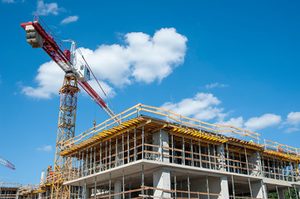
construction

Understanding Industrial Construction Services

Industrial construction differs substantially from residential and commercial construction projects. While homes and office buildings focus primarily on occupant comfort and aesthetics, industrial facilities prioritise operational efficiency, safety, durability, and specialised functionality.

Industrial construction projects often involve highly technical requirements, including heavy machinery integration, specialised utility systems, advanced ventilation, reinforced foundations, and extensive infrastructure components. Every aspect of the design and construction process must support the facility’s intended operational goals.

Because industrial facilities often house complex equipment and processes, construction planning typically begins long before ground is broken. Engineers, architects, project managers, and construction professionals work collaboratively to ensure that every system functions seamlessly within the completed facility.

These projects require a comprehensive approach that balances performance, safety, cost management, and long-term sustainability.

The Growing Demand for Large-Scale Industrial Facilities

Global economic growth, technological advancement, and changing consumer expectations have fuelled increasing demand for industrial facilities. Manufacturing operations continue to modernise, supply chains are becoming more sophisticated, and businesses require larger facilities to accommodate evolving production and distribution needs.

Today’s industrial buildings are expected to support automation, advanced logistics systems, high-volume production capabilities, and enhanced workplace safety measures. As a result, industrial construction services have become increasingly specialised, incorporating innovative building techniques and technologies that improve efficiency and operational performance.

Many organisations view their facilities as long-term investments. Consequently, they seek construction solutions that not only meet current needs but also provide flexibility for future growth and adaptation.

Comprehensive Planning Is the Foundation of Success

One of the most important aspects of industrial construction is detailed project planning. Large-scale facilities involve countless moving parts, and even minor oversights during planning can lead to costly delays or operational challenges after completion.

Industrial construction planning often includes extensive site evaluations, engineering assessments, scheduling development, budgeting analysis, risk management strategies, and coordination among multiple stakeholders.

Several key planning priorities typically include:

  1. Site suitability and infrastructure requirements.
  2. Utility capacity and service integration.
  3. Equipment installation and operational flow.
  4. Safety and regulatory compliance.
  5. Future expansion opportunities.
  6. Environmental impact considerations.

Effective planning establishes a strong foundation for the entire construction project and significantly increases the likelihood of successful outcomes.

Designing Facilities for Operational Efficiency

Efficiency is a central objective in industrial construction. The layout and design of a facility directly influence productivity, workflow, maintenance requirements, and operational costs.

Industrial construction teams carefully evaluate how people, materials, products, and equipment will move throughout a facility. Every design decision is intended to support streamlined operations while minimising inefficiencies and bottlenecks.

Well-designed industrial facilities often feature strategic equipment placement, optimised storage areas, efficient transportation pathways, and integrated utility systems. These elements work together to support smooth daily operations and maximise productivity.

The importance of operational efficiency becomes even more significant in large-scale facilities where even small improvements can generate substantial long-term benefits.

The Role of Advanced Engineering

Engineering expertise plays a fundamental role in industrial construction projects. Large facilities frequently require structural systems capable of supporting heavy machinery, specialised production equipment, and substantial operational loads.

Industrial engineers must account for numerous factors, including vibration control, equipment foundations, environmental conditions, load-bearing requirements, and utility demands. These considerations influence nearly every aspect of the design and construction process.

Advanced engineering solutions help ensure:

  • Structural stability and durability.
  • Equipment compatibility.
  • Efficient energy utilisation.
  • Long-term operational reliability.
  • Regulatory compliance.
  • Workplace safety.

Through careful engineering analysis, industrial construction teams create facilities that can perform reliably under demanding operating conditions.

Safety as a Core Construction Priority

Safety remains one of the most important considerations in industrial construction. Large-scale facilities often contain complex systems, heavy equipment, elevated work areas, and specialised operational processes. Construction teams must prioritise safety throughout every phase of the project.

Comprehensive safety planning extends beyond the construction process itself. Facilities must also be designed with long-term occupant safety in mind. Emergency access routes, fire protection systems, ventilation controls, equipment safeguards, and hazard management measures all contribute to a safer working environment.

Some essential safety considerations include:

  1. Worker protection during construction.
  2. Hazard identification and mitigation.
  3. Safe equipment integration.
  4. Fire prevention and suppression systems.
  5. Emergency response planning.
  6. Ongoing safety compliance measures.

By maintaining a strong commitment to safety, industrial construction services help protect workers, facility operators, and future occupants alike.

Integrating Modern Technology into Industrial Facilities

Technology has become an increasingly important component of industrial construction. Modern facilities frequently incorporate advanced systems that enhance operational control, efficiency, and performance.

Automation technologies, intelligent monitoring systems, energy management solutions, and digital infrastructure are now common features within large industrial environments. Construction professionals must ensure these systems are appropriately integrated during the building process.

Advanced technological integration allows operators to monitor facility performance, manage equipment more effectively, and identify potential maintenance issues before they escalate into costly disruptions.

The ability to accommodate emerging technologies has become a major competitive advantage for modern industrial facilities seeking long-term operational success.

Managing Complex Construction Schedules

Industrial projects often involve strict timelines and significant financial investments. Delays can affect production schedules, supply chain operations, and business objectives, making schedule management a critical component of industrial construction services.

Large-scale construction projects require careful coordination among numerous contractors, suppliers, engineers, and project stakeholders. Every phase must be executed according to a detailed schedule to maintain project momentum and minimise disruptions.

Effective schedule management includes:

  • Detailed project sequencing.
  • Resource allocation planning.
  • Material procurement coordination.
  • Risk assessment and contingency planning.
  • Ongoing progress monitoring.
  • Stakeholder communication.

Strong project management helps ensure facilities are delivered on time and within budget while maintaining quality standards throughout the construction process.

Sustainability in Industrial Construction

Sustainability has become a growing priority for industrial facility owners and developers. Modern industrial construction services increasingly focus on reducing environmental impact while improving long-term operational efficiency.

Sustainable construction practices extend beyond environmental responsibility. They often provide practical business benefits through lower energy consumption, reduced operating expenses, and improved resource management.

Industrial facilities may incorporate sustainable features such as energy-efficient lighting, advanced insulation systems, water conservation measures, and environmentally conscious building materials.

The adoption of sustainable construction methods reflects a broader commitment to balancing operational performance with responsible environmental stewardship.

Infrastructure and Utility Systems

One of the defining aspects of industrial construction is the extensive infrastructure required to support operations. Large facilities depend on robust utility systems that can accommodate significant demands for power, water, ventilation, communications, and process-specific services.

Industrial construction teams must carefully design and install these systems to ensure reliable performance and future scalability. Infrastructure planning often represents one of the most technically demanding components of the project.

Utility systems are typically designed with redundancy, efficiency, and maintenance accessibility in mind. This approach helps minimise downtime while supporting uninterrupted operations.

As facilities grow increasingly sophisticated, utility system integration continues to become more complex and important.

Supporting Future Growth and Adaptability

Industrial operations frequently evolve over time. Production requirements change, technology advances, and businesses expand into new markets. Modern industrial construction services recognise the importance of designing facilities that can adapt to future needs.

Flexible design strategies enable organisations to modify layouts, expand production capacity, integrate new equipment, and accommodate changing operational demands without requiring complete facility reconstruction.

Forward-thinking construction planning often includes:

  1. Expansion-ready site layouts.
  2. Scalable utility infrastructure.
  3. Flexible production areas.
  4. Adaptable storage solutions.
  5. Future technology integration capabilities.

Facilities designed with growth in mind provide greater long-term value and help organisations remain competitive in rapidly changing industries.

Quality Control Throughout the Construction Process

Quality control is essential for ensuring industrial facilities perform as intended throughout their lifecycle. Because industrial operations often place significant demands on structures and systems, construction quality directly affects reliability and long-term maintenance requirements.

Rigorous inspection procedures, material verification processes, testing protocols, and performance evaluations help maintain construction standards from project initiation through final completion.

Quality assurance efforts focus on every component of the project, including structural systems, utility installations, mechanical equipment, and finishing details. This commitment to excellence supports long-term facility performance while reducing the likelihood of future operational disruptions.

The Economic Impact of Industrial Construction

Industrial construction projects contribute significantly to economic development by supporting production, logistics, job creation, and infrastructure improvements. New facilities often stimulate broader economic activity by enabling organisations to expand capabilities, improve efficiency, and meet growing market demands.

Beyond the immediate construction phase, industrial facilities serve as long-term assets that support ongoing business operations. Their success depends heavily on the expertise of construction professionals capable of delivering durable, efficient, and high-performing environments.

As industrial sectors continue to evolve, the demand for skilled construction services remains essential to supporting future growth and innovation.

Industrial construction services play a vital role in meeting the demands of today’s large-scale facilities. From initial planning and advanced engineering to technology integration, safety management, sustainability initiatives, and future expansion considerations, industrial construction requires a specialised approach that addresses complex operational requirements.

Modern industrial facilities are expected to be efficient, durable, adaptable, and capable of supporting increasingly sophisticated processes. Achieving these goals requires experienced construction professionals who understand the unique challenges associated with large-scale projects. By combining strategic planning, innovative construction methods, and a commitment to quality, industrial construction services help create facilities that drive productivity, support economic growth, and meet the evolving demands of modern industry for decades to come.

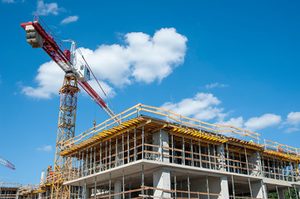
Handyman

Small Repairs That Become Big Problems if You Wait

Every homeowner has a mental list of repairs that can be handled “later.” A dripping tap, a tiny crack in the wall, a loose roof shingle, or a squeaky door often seem too minor to demand immediate attention. Life gets busy, and when a repair does not appear to affect daily comfort, it is easy to push it to the bottom of the priority list. Unfortunately, many of the costliest home repairs begin as small issues that were ignored for months or even years. What starts as a quick and inexpensive fix can gradually develop into a major problem requiring extensive labour, replacement materials, and significant financial investment.

handyman

One of the biggest mistakes property owners make is underestimating how interconnected a home’s systems are. A small leak can damage framing, insulation, drywall, flooring, and electrical components. A minor roof issue can create moisture problems that spread throughout the structure. Because many household problems develop slowly, it is easy to overlook the warning signs until the damage becomes impossible to ignore. Understanding which repairs require prompt attention can help homeowners protect their investment, maintain property value, and avoid stressful emergencies. Discover further details at https://jrcsi.com/.

Why Small Repairs Should Never Be Ignored

Home maintenance is often most effective when it is preventative rather than reactive. Waiting until a visible problem becomes severe usually results in higher repair costs and more extensive damage. Small defects rarely stay small because they are often exposed to ongoing wear, weather conditions, moisture, temperature changes, and daily use.

When homeowners address problems early, repairs are generally simpler, faster, and less expensive. Delayed maintenance, on the other hand, can allow damage to spread into multiple parts of the property. In some cases, neglecting a seemingly minor issue can even create safety risks for occupants.

Regular inspections and prompt repairs are among the most effective ways to reduce long-term maintenance costs. A proactive mindset helps identify concerns before they evolve into major structural or mechanical failures.

Minor Roof Damage Can Lead to Major Water Problems

A single missing shingle or a small section of damaged roofing material may not seem alarming at first glance. However, the roof serves as a property’s primary barrier against weather, and even small vulnerabilities can allow moisture to enter the structure.

Water intrusion often begins slowly. Rainwater may seep into the attic, where it dampens insulation and wooden framing. Over time, this moisture can lead to mould growth, wood rot, and weakened structural components. What could have been a simple repair may eventually require extensive restoration work involving multiple areas of the home.

Homeowners should pay particular attention to signs such as water stains on ceilings, peeling paint, damp insulation, or unusual odours in attic spaces. Addressing roof damage early helps preserve the integrity of the entire building.

Small Plumbing Leaks Create Expensive Consequences

Few household problems demonstrate the importance of prompt action more clearly than plumbing leaks. A slow drip beneath a sink or a small leak behind a wall may appear harmless, but even minimal water exposure can cause significant damage over time.

Hidden leaks frequently affect areas that are difficult to inspect regularly. Moisture trapped behind walls or beneath flooring creates ideal conditions for mould growth and material deterioration. Wood may warp, drywall can weaken, and flooring systems may suffer permanent damage.

Common plumbing warning signs include:

  1. Unexpected increases in water bills.
  2. Water stains on ceilings or walls.
  3. Musty odours in certain areas of the home.
  4. Peeling paint or bubbling wallpaper.
  5. Persistent dampness around fixtures.

Prompt leak detection and repair can prevent thousands of pounds or dollars in future restoration expenses.

Foundation Cracks Should Never Be Dismissed

Many homeowners notice small cracks in walls, floors, or foundations and assume they are simply part of normal settling. While some minor cracking can be harmless, others may indicate developing structural concerns that require professional evaluation.

When foundation issues progress, they can affect nearly every area of a property. Doors and windows may become difficult to open, floors can become uneven, and wall cracks may grow larger over time. Left unaddressed, foundation movement can compromise structural stability and significantly increase repair costs.

Early intervention is often far less invasive and less expensive than extensive structural correction. Monitoring cracks and seeking assessment when changes occur can help prevent larger issues from developing.

Blocked Gutters Can Damage More Than Your Roof

Gutters play an important role in directing water away from the structure. When they become clogged with leaves, debris, and other materials, water may overflow during rainfall and collect in areas where it should not.

Overflowing water can damage siding, foundations, landscaping, and roofing components. In colder conditions, poor drainage may contribute to ice-related issues that place additional stress on the structure.

Problems associated with neglected gutters often include:

  • Foundation erosion.
  • Water intrusion into basements.
  • Damage to exterior walls.
  • Roof deterioration.
  • Landscape washout.

Routine gutter cleaning is one of the simplest maintenance tasks homeowners can perform, yet it remains one of the most frequently overlooked.

Damaged Caulking and Sealants Can Allow Hidden Moisture Intrusion

Caulking around windows, doors, bathtubs, showers, and sinks serves as a protective barrier against moisture infiltration. Over time, sealants naturally deteriorate due to temperature changes, humidity, and normal wear.

When caulking begins to crack, separate, or shrink, water can penetrate areas behind surfaces. Moisture trapped inside walls and surrounding structures often remains undetected until visible damage appears. By that point, mould growth and material deterioration may already be extensive.

Replacing worn caulking is typically a quick and affordable task. Ignoring it, however, may lead to far more costly repairs involving interior finishes and structural materials.

Electrical Issues Often Escalate Quickly

Electrical problems should always be taken seriously, even when they initially appear minor. A frequently tripping breaker, flickering light, or warm electrical outlet may seem like a small inconvenience, but these symptoms can indicate deeper issues within the electrical system.

Faulty wiring, overloaded circuits, and deteriorating electrical components can create fire hazards if left unresolved. Unlike some home repairs that develop gradually, electrical failures can become dangerous without warning.

Warning signs that deserve immediate attention include:

  1. Sparking outlets or switches.
  2. Burning smells near electrical fixtures.
  3. Repeated breaker trips.
  4. Buzzing sounds from outlets or panels.
  5. Lights that flicker consistently.

Addressing electrical concerns promptly helps protect both the property and its occupants.

Ignoring HVAC Problems Can Reduce Efficiency and Increase Costs

Heating and cooling systems often provide subtle warnings before major failures occur. Strange noises, reduced airflow, inconsistent temperatures, and higher utility bills may all indicate developing maintenance issues.

Many homeowners delay service because the system continues functioning despite the warning signs. Unfortunately, components that operate under strain tend to wear out more quickly. What may have started as a minor repair can eventually lead to expensive equipment replacement.

Routine maintenance helps identify issues early while improving energy efficiency and system performance. Keeping heating and cooling equipment in good condition contributes to lower operating costs and greater comfort throughout the year.

Loose or Damaged Flooring Can Become a Safety Hazard

A slightly raised floorboard, loose tile, or minor section of damaged flooring may not seem urgent. However, flooring defects often worsen with daily foot traffic and continued use.

What begins as a cosmetic concern can develop into a tripping hazard or allow moisture to penetrate underlying materials. Water exposure beneath flooring can damage subfloors, promote mould growth, and compromise structural components.

Repairing a small flooring section is generally straightforward. Replacing entire flooring systems due to prolonged neglect is considerably more expensive and disruptive.

Pest Entry Points Grow Larger Over Time

Tiny gaps and openings around doors, windows, vents, and foundations may appear insignificant, but they often serve as entry points for unwanted pests. Rodents, insects, and wildlife can squeeze through surprisingly small openings to gain access to indoor spaces.

Once pests establish themselves inside a property, they may damage insulation, wiring, wood, and stored belongings. Some infestations can spread rapidly, making removal more difficult and expensive.

Regular property inspections can help identify vulnerable areas before they become larger access points. Sealing small openings is often a simple repair that provides long-term protection.

Drainage Problems Can Threaten Structural Integrity

Poor drainage around a property may initially manifest as puddles, soggy soil, or minor water accumulation after rainfall. While these issues may not seem severe, prolonged exposure to excess moisture can damage foundations and surrounding structures.

Water that consistently pools near the foundation increases the risk of soil movement, erosion, and moisture infiltration. Over time, these conditions can contribute to cracks, settling, and costly structural repairs.

Property owners should never ignore recurring drainage issues. Correcting water flow patterns early can prevent substantial long-term damage.

The Financial Advantage of Early Repairs

One of the most compelling reasons to address small repairs quickly is the potential cost savings. Home maintenance expenses tend to increase exponentially when problems are allowed to progress. A repair that might cost a modest amount today can evolve into a project requiring significant restoration work months later.

Early repairs offer several important benefits:

  1. Lower repair costs.
  2. Reduced likelihood of emergency situations.
  3. Improved property value.
  4. Greater energy efficiency.
  5. Extended lifespan of household systems.
  6. Enhanced safety for occupants.

By investing in preventative maintenance, homeowners gain greater control over repair expenses and avoid unexpected financial burdens.

Creating a Proactive Home Maintenance Routine

The best way to prevent small problems from becoming major headaches is to establish a regular maintenance routine. Scheduled inspections allow homeowners to identify developing concerns before they become expensive emergencies.

A proactive maintenance plan should include checking roofs, plumbing systems, gutters, foundations, electrical components, drainage areas, and mechanical equipment throughout the year. Even simple visual inspections can reveal early warning signs that warrant further attention.

Consistency is key. Homes, like any complex system, perform best when minor issues are addressed promptly rather than ignored until failure occurs.

Conclusion

Small repairs are easy to postpone, especially when they seem harmless or purely cosmetic. However, many of the most expensive home repairs begin as minor issues that were overlooked for too long. A dripping pipe, cracked seal, damaged roof section, clogged gutter, or small foundation crack can quickly escalate into a major problem affecting multiple areas of the property.

Taking prompt action when warning signs appear is one of the smartest investments a homeowner can make. By embracing preventative maintenance and addressing minor concerns before they worsen, property owners can protect their homes, preserve their property’s value, reduce long-term expenses, and enjoy greater peace of mind. In the world of home maintenance, acting early is almost always less expensive than waiting for a small repair to become a big problem.

Uncategorized

Building Strong Foundations for Residential and Commercial Projects

Construction services play a critical role in shaping residential, commercial, and industrial infrastructure by turning architectural plans into functional and durable structures. From new home construction and commercial building development to remodeling, renovations, and infrastructure improvements, construction services support economic growth, property development, and long-term community expansion. Professional construction companies manage complex projects that require planning, engineering expertise, skilled labor, quality materials, and strict safety standards to ensure successful project completion.

Modern construction services involve much more than basic building work. Today’s construction industry incorporates advanced technology, sustainable practices, project management systems, and specialized construction methods to improve efficiency, safety, and structural performance. Property owners rely on professional construction services to create buildings that meet functional requirements, comply with regulations, and maintain long-term durability.

As urban development and property investment continue increasing, demand for reliable and experienced construction services remains strong across residential and commercial sectors.

The Importance of Professional Construction Services

Professional construction services are essential for ensuring that building projects are completed safely, efficiently, and according to design specifications. Construction projects often involve significant financial investments, making proper planning and execution extremely important for long-term success.

One of the primary benefits of hiring professional construction contractors is access to skilled expertise and project coordination. Construction professionals manage multiple aspects of the project, including material sourcing, scheduling, permitting, labor management, inspections, and quality control.

Construction services also help property owners avoid costly mistakes that may arise from improper building methods or poor planning. Experienced contractors understand structural requirements, building codes, and industry standards that contribute to safe and durable construction outcomes.

Several important advantages highlight the value of professional construction services:

  1. Proper project planning and management
  2. Compliance with safety and building regulations
  3. Access to skilled labor and specialized equipment
  4. Improved construction quality and durability
  5. Efficient scheduling and cost control

Professional construction management helps reduce delays, improve communication, and ensure projects progress smoothly from start to finish.

Residential Construction Services

Residential construction services focus on building and improving homes, apartments, and other living spaces. These services may include new home construction, room additions, kitchen remodeling, bathroom renovations, roofing, flooring installation, and exterior improvements.

New residential construction projects require careful collaboration between architects, engineers, contractors, and homeowners. Every stage of the process, from site preparation and foundation work to framing, electrical installation, plumbing, and finishing details, must be completed with precision and attention to detail.

Home renovation and remodeling services have also become increasingly popular as property owners seek to modernize interiors, improve energy efficiency, and increase property value. Renovation projects often involve updating outdated layouts, improving storage space, replacing aging materials, and enhancing overall functionality.

Residential construction services commonly include:

  1. New home construction
  2. Kitchen and bathroom remodeling
  3. Roofing and siding installation
  4. Flooring and interior finishing
  5. Home additions and structural upgrades

Professional residential contractors help homeowners achieve customized living spaces that align with both functional needs and design preferences.

Commercial Construction Services

Commercial construction services involve the development and renovation of office buildings, retail centers, warehouses, restaurants, healthcare facilities, and other business properties. Commercial construction projects are often larger and more complex than residential jobs because they must accommodate higher occupancy levels, operational requirements, and commercial building regulations.

Commercial contractors focus heavily on project timelines, budget management, and operational efficiency to minimize disruptions and meet business objectives. Delays in commercial construction can affect business operations and financial performance, making careful coordination essential.

Commercial buildings also require specialized systems such as advanced HVAC systems, fire protection equipment, accessibility features, security systems, and large-scale electrical infrastructure. Professional construction teams coordinate multiple trades and subcontractors to ensure these systems integrate properly into the final structure.

Several key aspects define commercial construction services:

  1. Large-scale project coordination
  2. Compliance with commercial building standards
  3. Advanced mechanical and electrical systems
  4. Efficient scheduling and resource management
  5. Focus on durability and operational functionality

Commercial construction services help businesses create productive, attractive, and safe environments for employees, customers, and daily operations.

Construction Planning and Project Management

Effective project management is one of the most important elements of successful construction services. Construction projects involve numerous moving parts that must be coordinated carefully to avoid delays, budget overruns, and safety issues.

Construction planning typically begins with site evaluation, budgeting, design consultation, and timeline development. Contractors work closely with clients, architects, engineers, and suppliers to ensure all project requirements are clearly defined before construction begins.

Project managers oversee scheduling, workforce coordination, material deliveries, inspections, and progress monitoring throughout the construction process. Strong communication between all parties helps minimize misunderstandings and keeps projects moving efficiently.

Several important project management responsibilities include:

  1. Budget planning and cost tracking
  2. Scheduling and labor coordination
  3. Material procurement and logistics
  4. Quality control and inspections
  5. Risk management and safety oversight

Professional project management improves efficiency while helping construction projects remain on schedule and within budget.

Modern Technology in Construction Services

Technology continues transforming construction services by improving accuracy, efficiency, communication, and workplace safety. Modern construction companies increasingly use digital tools and advanced equipment to streamline operations and improve project outcomes.

Construction management software helps contractors track schedules, budgets, inspections, labor assignments, and project documentation in real time. Digital communication systems improve collaboration between contractors, suppliers, and clients throughout the construction process.

Advanced machinery and equipment also enhance productivity and reduce manual labor demands on construction sites. Modern tools improve precision while helping workers complete projects more safely and efficiently.

Several technological innovations influencing construction services include:

  1. Construction management software
  2. Digital design and modeling systems
  3. Drones for site inspections and surveying
  4. Advanced safety monitoring technologies
  5. Energy-efficient construction materials and methods

Technology integration allows construction companies to improve operational performance while delivering higher-quality results.

Safety Standards in Construction Services

Safety remains one of the highest priorities within the construction industry because construction sites often involve heavy equipment, elevated work areas, electrical systems, and hazardous materials. Professional construction companies follow strict safety protocols to protect workers, property owners, and the public.

Construction safety programs include worker training, equipment inspections, protective gear requirements, hazard identification, and emergency response planning. Regular safety meetings and compliance inspections help reduce workplace accidents and injuries.

Professional contractors also ensure compliance with local building regulations, zoning requirements, and environmental standards throughout every phase of construction. Failure to follow safety and regulatory requirements can lead to serious legal and financial consequences.

Several critical construction safety practices include:

  1. Use of protective equipment and fall protection
  2. Proper equipment operation and maintenance
  3. Hazard identification and risk assessment
  4. Worker safety training and certification
  5. Compliance with building and safety codes

Strong safety management contributes to more efficient projects and improved long-term construction quality.

Sustainable Construction and Energy Efficiency

Sustainability has become an increasingly important focus within modern construction services. Many property owners and developers now prioritize energy-efficient designs, environmentally responsible materials, and sustainable building practices.

Green construction methods help reduce environmental impact while improving energy performance and indoor comfort. Energy-efficient windows, insulation systems, lighting, and HVAC equipment contribute to lower operational costs and reduced energy consumption.

Sustainable construction practices may also involve recycling materials, reducing construction waste, improving water efficiency, and using environmentally friendly products whenever possible.

Several benefits of sustainable construction include:

  1. Lower long-term energy costs
  2. Reduced environmental impact
  3. Improved indoor air quality and comfort
  4. Increased property value and efficiency
  5. Support for long-term sustainability goals

Modern construction services increasingly balance durability, functionality, and environmental responsibility within both residential and commercial projects.

Choosing Reliable Construction Services

Selecting the right construction company is essential for achieving successful project outcomes. Property owners should evaluate contractors based on experience, licensing, insurance coverage, project portfolios, customer reviews, and communication quality.

Reliable construction companies typically provide detailed project estimates, transparent timelines, and clear contracts outlining project scope and expectations. Strong communication and professionalism are critical for maintaining productive working relationships throughout construction projects.

Several important factors should be considered when hiring construction services:

  1. Industry experience and project expertise
  2. Licensing, insurance, and certifications
  3. Reputation and customer satisfaction
  4. Project management and communication skills
  5. Commitment to safety and quality standards

Professional construction services provide the expertise, coordination, and technical knowledge necessary to complete building projects safely and efficiently. Through careful planning, skilled craftsmanship, and modern construction practices, construction professionals help create durable, functional, and visually appealing structures that support long-term property value and performance.