Industrial construction represents one of the most complex and demanding sectors within the building industry. Unlike residential or small commercial projects, industrial facilities require highly specialized knowledge, advanced planning, and precise execution. Whether constructing manufacturing plants, warehouses, processing facilities, or distribution centers, these projects must meet rigorous structural, operational, and safety standards. For property owners, developers, and industrial operators, engaging professional industrial construction services is critical to ensuring functionality, efficiency, and long-term sustainability.
Large-scale industrial projects are distinguished by their size, technical requirements, and the integration of multiple systems, from electrical and plumbing to process-specific machinery. Every decision, from foundation design to final commissioning, impacts operational performance and long-term cost efficiency. Industrial construction services provide the expertise needed to manage these intricate requirements while delivering facilities that meet both business goals and regulatory standards. Visit Our Website Here for a professional service.
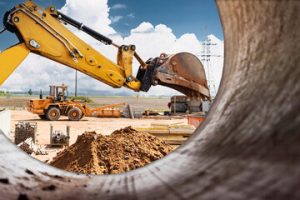
The Unique Challenges of Industrial Construction
Industrial construction differs significantly from other types of construction due to its scale and complexity. Large-scale facilities often encompass vast square footage, high ceilings, and heavy-load-bearing structures designed to accommodate specialized equipment. Furthermore, these projects must be resilient to operational stress, environmental factors, and potential safety hazards.
Key challenges in industrial construction include:
- Structural Load Management – Industrial facilities must support heavy machinery, storage racks, and large quantities of materials. Accurate engineering calculations ensure structural integrity and prevent long-term issues.
- Integration of Specialized Systems – Process-specific equipment, ventilation, and safety systems must be installed precisely to meet operational standards. Coordination between construction and engineering teams is essential.
- Compliance with Regulatory Requirements – Industrial sites are subject to local, state, and federal regulations covering safety, environmental protection, and accessibility. Non-compliance can lead to delays, fines, or operational setbacks.
- Time-Sensitive Delivery – Many industrial facilities operate under strict schedules tied to production demands. Construction delays can disrupt business operations and result in financial loss.
Industrial construction services are designed to address these challenges by providing expertise in project management, technical execution, and regulatory compliance, ensuring that the final facility meets functional and operational expectations.
The Role of Industrial Construction Services
Industrial construction services encompass a wide range of offerings that support the design, build, and operational readiness of large-scale facilities. These services integrate engineering, project management, construction, and maintenance planning into a comprehensive package.
Professional industrial construction teams provide:
- Project Planning and Design Coordination – Collaborating with architects, engineers, and stakeholders to create a detailed blueprint that considers operational workflows, safety standards, and future expansion.
- Site Preparation and Foundation Work – Excavation, grading, and foundation installation must account for heavy loads, soil conditions, and utility infrastructure. Proper site preparation ensures structural stability for decades.
- Structural Construction – Steel framing, reinforced concrete, and prefabricated components are commonly used to support expansive industrial spaces. Quality control at this stage prevents long-term structural issues.
- System Installation and Integration – Electrical, plumbing, HVAC, and specialized process systems are installed according to precise specifications. Integration with building automation and safety systems is critical for operational efficiency.
By managing each aspect of construction, industrial construction services streamline complex projects and ensure that large facilities are built to meet demanding operational requirements.
Advanced Planning and Engineering in Industrial Construction
One of the defining features of industrial construction is the level of planning and engineering required before breaking ground. Unlike smaller projects, industrial facilities cannot rely solely on standard construction practices. Every structural element and system component must be analyzed for its impact on overall facility performance.
Key areas of advanced planning include:
- Load Analysis and Structural Engineering – Calculating dynamic and static loads to ensure beams, columns, and foundations can support heavy machinery and storage systems without failure.
- Workflow Optimization – Designing facility layouts to maximize operational efficiency, reduce material handling time, and facilitate smooth production processes.
- Energy Management and Sustainability – Integrating energy-efficient lighting, HVAC systems, and renewable energy options where feasible to reduce operational costs and environmental impact.
- Safety Planning – Identifying potential hazards during construction and operation, implementing fall protection, fire suppression, and emergency response measures.
This level of planning not only reduces the likelihood of costly mistakes but also ensures that the finished facility functions optimally from day one.
Material Selection and Technology Integration
The choice of materials in industrial construction is critical for durability, safety, and performance. Steel, reinforced concrete, and specialized composites are commonly used for structural components due to their strength and longevity. Other considerations include corrosion resistance, fire retardancy, and thermal insulation.
Modern industrial construction also leverages technology to improve accuracy and efficiency. Building Information Modeling (BIM), 3D modeling, and digital project management platforms allow construction teams to simulate workflows, detect design conflicts, and coordinate multiple trades effectively.
Benefits of technology and material selection include:
- Reduced Material Waste and Cost Savings – Precise planning ensures that only the required materials are ordered and installed correctly.
- Enhanced Structural Integrity – Using advanced materials and engineering simulations minimizes the risk of future failures.
- Improved Operational Efficiency – Intelligent system integration, such as automated lighting, HVAC, and process controls, supports smoother operations.
- Faster Construction Timelines – Prefabrication and modular components accelerate project schedules while maintaining quality.
By combining durable materials with cutting-edge technology, industrial construction services deliver facilities that withstand demanding operational conditions.
Safety and Compliance in Industrial Construction
Safety is a paramount concern in industrial construction due to the scale and complexity of projects. Large facilities often involve elevated work platforms, heavy equipment, hazardous materials, and extensive electrical systems. Adhering to safety standards is essential to protect workers, property, and operational continuity.
Safety-focused construction practices include:
- Comprehensive Site Risk Assessments – Identifying potential hazards such as falling objects, chemical exposure, or equipment malfunction before work begins.
- Personal Protective Equipment (PPE) Protocols – Ensuring that all workers wear appropriate safety gear, including helmets, harnesses, and protective clothing.
- Emergency Preparedness Planning – Establishing clear evacuation routes, first-aid stations, and incident response protocols for workers and visitors.
- Regulatory Compliance Monitoring – Meeting OSHA or equivalent safety standards, as well as environmental and local construction codes, throughout the project lifecycle.
Property owners benefit from working with construction teams that maintain a strong safety culture, reducing liability risks and protecting the facility during both construction and ongoing operations.
Industrial Facility Systems and Operational Readiness
Beyond structural construction, industrial facilities require complex systems to function effectively. Electrical power distribution, plumbing, HVAC, fire suppression, and communication networks must be designed and installed to support high-demand operations.
Integration of these systems ensures that the facility operates efficiently and meets production requirements. Key considerations include:
- Energy Efficiency and Load Management – Proper electrical design reduces energy costs and prevents system overloads.
- Climate Control and Ventilation – Ensuring optimal temperature and air quality for both personnel and equipment.
- Process-Specific System Installation – Industrial operations often require specialized machinery and support systems that must be seamlessly integrated into the facility.
- Future Expansion Capabilities – Designing systems with scalability in mind allows the facility to adapt to growing operational demands.
Professional industrial construction services provide end-to-end management of these critical systems, ensuring operational readiness upon project completion.
Project Management for Large-Scale Industrial Projects
Large-scale industrial construction projects involve numerous teams, subcontractors, and stakeholders. Effective project management is essential to coordinate activities, maintain schedules, and control budgets.
Industrial construction project management typically includes:
- Detailed Timeline and Milestone Planning – Breaking the project into manageable phases to monitor progress accurately.
- Resource Allocation and Workforce Coordination – Ensuring that skilled labor and equipment are available when and where needed.
- Budget Monitoring and Cost Control – Tracking expenses against projected budgets to avoid overruns.
- Quality Assurance and Inspection Protocols – Regular inspections of materials, workmanship, and system installations to maintain high standards.
A strong project management framework ensures that industrial construction projects are delivered on time, within budget, and according to specifications.
Long-Term Benefits of Industrial Construction Services
Investing in professional industrial construction services offers long-term benefits for property owners and operators. A well-constructed facility not only supports current operations but also minimizes maintenance costs, enhances safety, and accommodates future growth.
Some of the key long-term benefits include:
- Operational Efficiency – Optimized layouts and integrated systems streamline workflow and reduce downtime.
- Durability and Longevity – High-quality materials and engineering practices extend facility lifespan.
- Safety and Compliance Assurance – Adherence to industry standards reduces liability and protects personnel.
- Flexibility for Expansion or Modification – Thoughtful design allows facilities to adapt to changing operational requirements.
These advantages demonstrate that professional industrial construction is not just about building structures—it is about creating strategic assets that support business success.
Final Thoughts: Building Industrial Facilities That Deliver Results
Industrial construction is a highly specialized field that demands expertise, precision, and strategic planning. Large-scale facilities must meet rigorous standards for structural integrity, operational efficiency, and safety. Professional industrial construction services provide property owners and operators with the expertise required to navigate these challenges and deliver facilities that perform reliably over the long term.
From advanced engineering and durable materials to integrated systems and rigorous safety protocols, modern industrial construction solutions ensure that facilities meet current operational demands while remaining adaptable to future growth. By investing in professional services, property owners protect their investment, enhance facility performance, and position their operations for continued success.
Industrial construction is not simply about creating buildings; it is about building robust, efficient, and safe environments that support business objectives, protect personnel, and maximize operational potential.