Construction services play a critical role in shaping residential, commercial, and industrial infrastructure by turning architectural plans into functional and durable structures. From new home construction and commercial building development to remodeling, renovations, and infrastructure improvements, construction services support economic growth, property development, and long-term community expansion. Professional construction companies manage complex projects that require planning, engineering expertise, skilled labor, quality materials, and strict safety standards to ensure successful project completion.
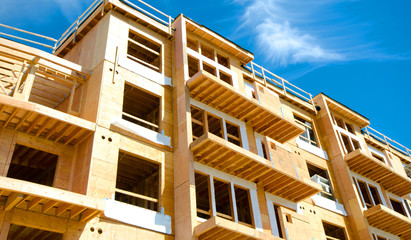
Modern construction services involve much more than basic building work. Today’s construction industry incorporates advanced technology, sustainable practices, project management systems, and specialized construction methods to improve efficiency, safety, and structural performance. Property owners rely on professional construction services to create buildings that meet functional requirements, comply with regulations, and maintain long-term durability.
As urban development and property investment continue increasing, demand for reliable and experienced construction services remains strong across residential and commercial sectors.
The Importance of Professional Construction Services
Professional construction services are essential for ensuring that building projects are completed safely, efficiently, and according to design specifications. Construction projects often involve significant financial investments, making proper planning and execution extremely important for long-term success.
One of the primary benefits of hiring professional construction contractors is access to skilled expertise and project coordination. Construction professionals manage multiple aspects of the project, including material sourcing, scheduling, permitting, labor management, inspections, and quality control.
Construction services also help property owners avoid costly mistakes that may arise from improper building methods or poor planning. Experienced contractors understand structural requirements, building codes, and industry standards that contribute to safe and durable construction outcomes.
Several important advantages highlight the value of professional construction services:
- Proper project planning and management
- Compliance with safety and building regulations
- Access to skilled labor and specialized equipment
- Improved construction quality and durability
- Efficient scheduling and cost control
Professional construction management helps reduce delays, improve communication, and ensure projects progress smoothly from start to finish.
Residential Construction Services
Residential construction services focus on building and improving homes, apartments, and other living spaces. These services may include new home construction, room additions, kitchen remodeling, bathroom renovations, roofing, flooring installation, and exterior improvements.
New residential construction projects require careful collaboration between architects, engineers, contractors, and homeowners. Every stage of the process, from site preparation and foundation work to framing, electrical installation, plumbing, and finishing details, must be completed with precision and attention to detail.
Home renovation and remodeling services have also become increasingly popular as property owners seek to modernize interiors, improve energy efficiency, and increase property value. Renovation projects often involve updating outdated layouts, improving storage space, replacing aging materials, and enhancing overall functionality.
Residential construction services commonly include:
- New home construction
- Kitchen and bathroom remodeling
- Roofing and siding installation
- Flooring and interior finishing
- Home additions and structural upgrades
Professional residential contractors help homeowners achieve customized living spaces that align with both functional needs and design preferences.
Commercial Construction Services
Commercial construction services involve the development and renovation of office buildings, retail centers, warehouses, restaurants, healthcare facilities, and other business properties. Commercial construction projects are often larger and more complex than residential jobs because they must accommodate higher occupancy levels, operational requirements, and commercial building regulations.
Commercial contractors focus heavily on project timelines, budget management, and operational efficiency to minimize disruptions and meet business objectives. Delays in commercial construction can affect business operations and financial performance, making careful coordination essential.
Commercial buildings also require specialized systems such as advanced HVAC systems, fire protection equipment, accessibility features, security systems, and large-scale electrical infrastructure. Professional construction teams coordinate multiple trades and subcontractors to ensure these systems integrate properly into the final structure.
Several key aspects define commercial construction services:
- Large-scale project coordination
- Compliance with commercial building standards
- Advanced mechanical and electrical systems
- Efficient scheduling and resource management
- Focus on durability and operational functionality
Commercial construction services help businesses create productive, attractive, and safe environments for employees, customers, and daily operations.
Construction Planning and Project Management
Effective project management is one of the most important elements of successful construction services. Construction projects involve numerous moving parts that must be coordinated carefully to avoid delays, budget overruns, and safety issues.
Construction planning typically begins with site evaluation, budgeting, design consultation, and timeline development. Contractors work closely with clients, architects, engineers, and suppliers to ensure all project requirements are clearly defined before construction begins.
Project managers oversee scheduling, workforce coordination, material deliveries, inspections, and progress monitoring throughout the construction process. Strong communication between all parties helps minimize misunderstandings and keeps projects moving efficiently.
Several important project management responsibilities include:
- Budget planning and cost tracking
- Scheduling and labor coordination
- Material procurement and logistics
- Quality control and inspections
- Risk management and safety oversight
Professional project management improves efficiency while helping construction projects remain on schedule and within budget.
Modern Technology in Construction Services
Technology continues transforming construction services by improving accuracy, efficiency, communication, and workplace safety. Modern construction companies increasingly use digital tools and advanced equipment to streamline operations and improve project outcomes.
Construction management software helps contractors track schedules, budgets, inspections, labor assignments, and project documentation in real time. Digital communication systems improve collaboration between contractors, suppliers, and clients throughout the construction process.
Advanced machinery and equipment also enhance productivity and reduce manual labor demands on construction sites. Modern tools improve precision while helping workers complete projects more safely and efficiently.
Several technological innovations influencing construction services include:
- Construction management software
- Digital design and modeling systems
- Drones for site inspections and surveying
- Advanced safety monitoring technologies
- Energy-efficient construction materials and methods
Technology integration allows construction companies to improve operational performance while delivering higher-quality results.
Safety Standards in Construction Services
Safety remains one of the highest priorities within the construction industry because construction sites often involve heavy equipment, elevated work areas, electrical systems, and hazardous materials. Professional construction companies follow strict safety protocols to protect workers, property owners, and the public.
Construction safety programs include worker training, equipment inspections, protective gear requirements, hazard identification, and emergency response planning. Regular safety meetings and compliance inspections help reduce workplace accidents and injuries.
Professional contractors also ensure compliance with local building regulations, zoning requirements, and environmental standards throughout every phase of construction. Failure to follow safety and regulatory requirements can lead to serious legal and financial consequences.
Several critical construction safety practices include:
- Use of protective equipment and fall protection
- Proper equipment operation and maintenance
- Hazard identification and risk assessment
- Worker safety training and certification
- Compliance with building and safety codes
Strong safety management contributes to more efficient projects and improved long-term construction quality.
Sustainable Construction and Energy Efficiency
Sustainability has become an increasingly important focus within modern construction services. Many property owners and developers now prioritize energy-efficient designs, environmentally responsible materials, and sustainable building practices.
Green construction methods help reduce environmental impact while improving energy performance and indoor comfort. Energy-efficient windows, insulation systems, lighting, and HVAC equipment contribute to lower operational costs and reduced energy consumption.
Sustainable construction practices may also involve recycling materials, reducing construction waste, improving water efficiency, and using environmentally friendly products whenever possible.
Several benefits of sustainable construction include:
- Lower long-term energy costs
- Reduced environmental impact
- Improved indoor air quality and comfort
- Increased property value and efficiency
- Support for long-term sustainability goals
Modern construction services increasingly balance durability, functionality, and environmental responsibility within both residential and commercial projects.
Choosing Reliable Construction Services
Selecting the right construction company is essential for achieving successful project outcomes. Property owners should evaluate contractors based on experience, licensing, insurance coverage, project portfolios, customer reviews, and communication quality.
Reliable construction companies typically provide detailed project estimates, transparent timelines, and clear contracts outlining project scope and expectations. Strong communication and professionalism are critical for maintaining productive working relationships throughout construction projects.
Several important factors should be considered when hiring construction services:
- Industry experience and project expertise
- Licensing, insurance, and certifications
- Reputation and customer satisfaction
- Project management and communication skills
- Commitment to safety and quality standards
Professional construction services provide the expertise, coordination, and technical knowledge necessary to complete building projects safely and efficiently. Through careful planning, skilled craftsmanship, and modern construction practices, construction professionals help create durable, functional, and visually appealing structures that support long-term property value and performance.
